

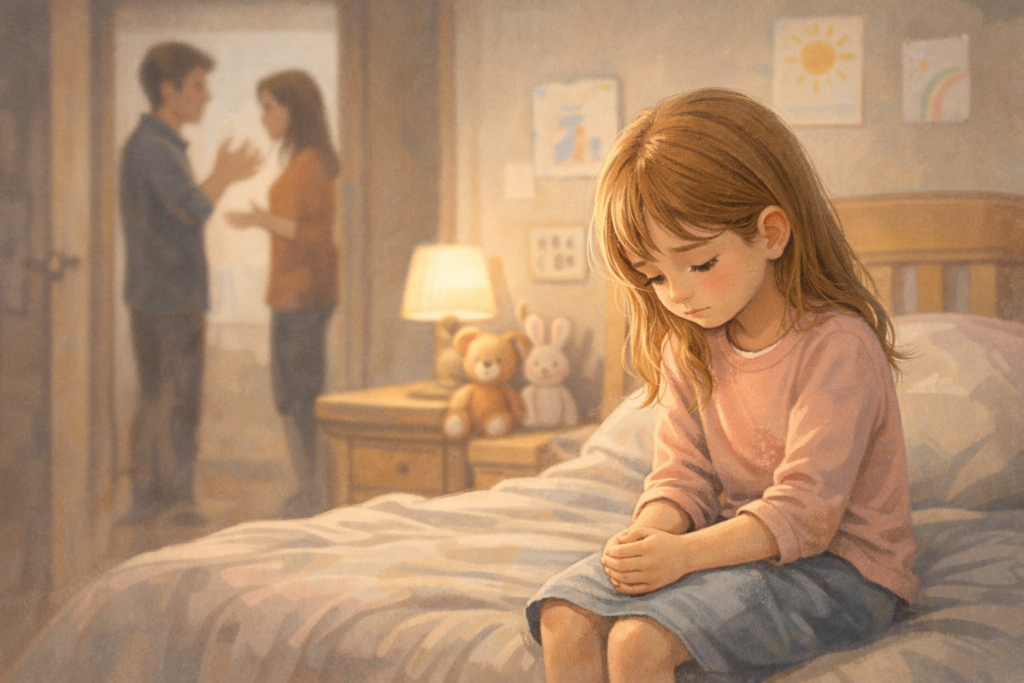
Introduction: The Child Everyone Praises
“She’s so well-behaved.”
“He never causes trouble.”
“You’re so lucky — your child is so calm!”
These compliments feel good. But sometimes, the child who is always “good” is also the child who is quietly suppressing emotions, avoiding conflict, and carrying pressure they don’t know how to express.
Not all struggles are loud. Some are silent.
Who Are the “Good” Kids?
Well-behaved children often:
-
Follow rules without question
-
Avoid confrontation
-
Rarely express anger
-
Try hard to please adults
-
Take responsibility beyond their age
-
Say “It’s okay” even when it isn’t
While these traits seem positive, they can sometimes mask deeper emotional patterns.
The Hidden Pressure Behind Being “Good”
Many children internalize an unspoken message:
“If I behave well, I am loved.”
“If I cause trouble, I disappoint.”
This can lead to:
-
Fear of making mistakes
-
Anxiety about upsetting others
-
Difficulty expressing anger or frustration
-
Perfectionism
-
Bottled-up emotions
Over time, constantly trying to meet expectations can feel exhausting.
Why Kids Hide Their Emotions
-
They Don’t Want to Be a Burden
Children who sense stress at home may try to “stay easy” so they don’t add more pressure. -
They Fear Disapproval
If mistakes are met with strong reactions, children learn to avoid emotional risk. -
They’re Praised Only for Being Good
When the identity of “good child” becomes central, they may fear losing it. -
They’re Naturally Empathetic
Some children are highly sensitive and absorb others’ feelings, often prioritizing others over themselves.
The Long-Term Effects
If not addressed, suppressed emotions can later appear as:
-
Sudden emotional outbursts
-
Social withdrawal
-
Anxiety or perfectionism
-
Difficulty setting boundaries
-
Trouble expressing needs in relationships
The child who never complained may grow into an adult who struggles to say, “This hurts.”
How Parents Can Support Well-Behaved Kids
1. Normalize All Emotions
Say things like:
“It’s okay to feel angry.”
“You can disagree with me respectfully.”
Let them know that love doesn’t depend on compliance.
2. Ask Deeper Questions
Instead of:
“How was school?”
Try:
“What felt hard today?”
“Was there anything you didn’t like?”
This gives permission to share uncomfortable feelings.
3. Model Emotional Expression
Children learn from watching you.
Show them how you handle stress, disappointment, and frustration in healthy ways.
4. Avoid Labeling Them as “The Good One”
Labels can become identities children feel pressured to maintain.
Praise specific behaviors, not permanent traits.
5. Encourage Healthy Boundaries
Teach them phrases like:
“I don’t like that.”
“I need a break.”
“I disagree.”
Confidence grows when children feel safe expressing themselves.
Conclusion: Beyond Being “Good”
Being kind, respectful, and cooperative is wonderful. But children should also feel safe being:
-
Frustrated
-
Messy
-
Disappointed
-
Imperfect
The goal isn’t to raise “good” children.
It’s to raise emotionally healthy ones who know their feelings matter.
Sometimes the quietest child in the room has the loudest emotions inside.
And they need just as much space to be heard.
No Comments